Running Prosthetics for Athletes: A Complete Guide to Running Blades

By Maegan Morrison, AOPA Certified prosthetist and orthotistUpdated
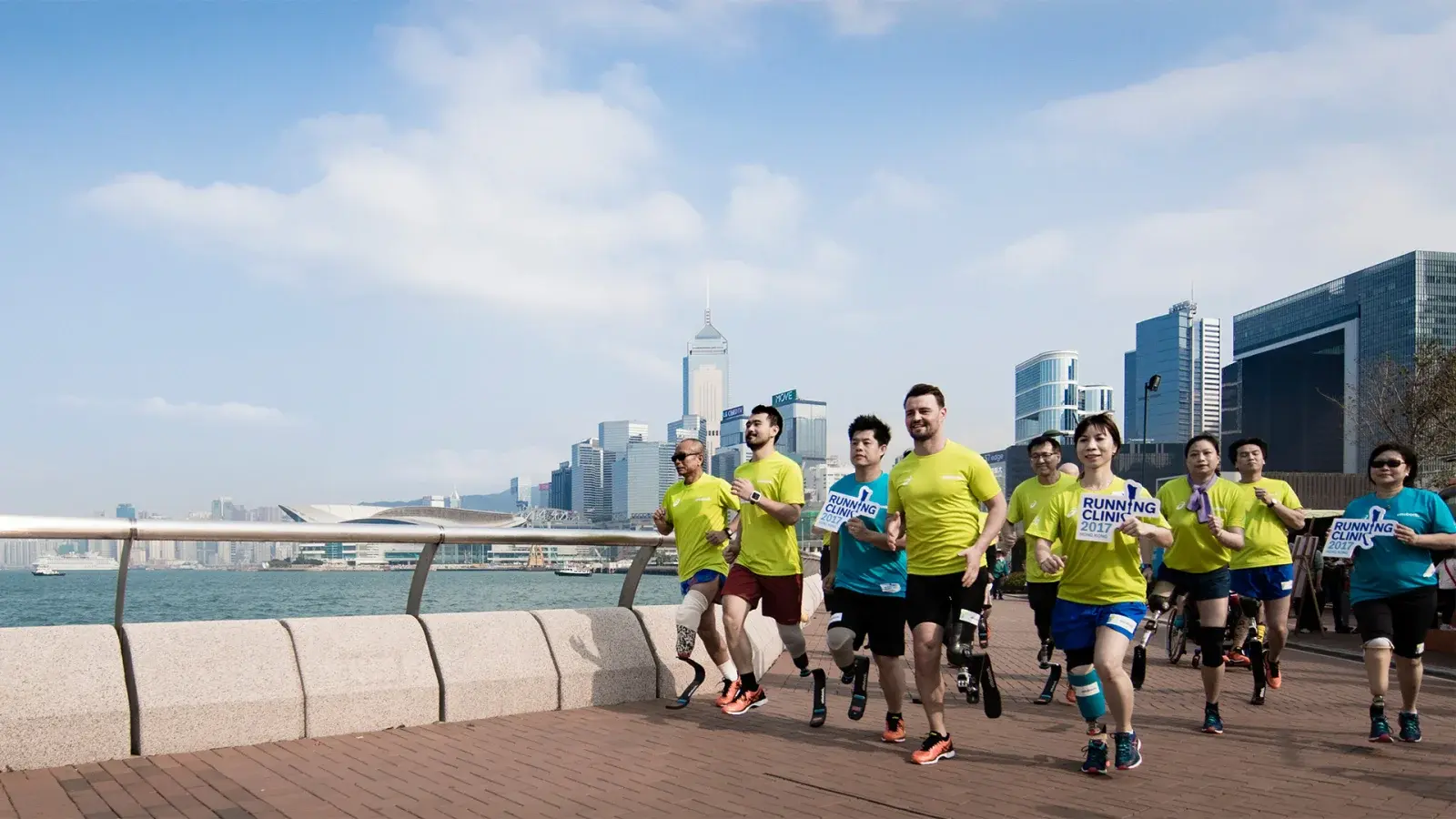
Running prosthetics have transformed what is possible for athletes with limb difference. The distinctive curved carbon fibre blades seen at the Paralympics represent decades of engineering innovation, enabling runners to compete at speeds that would have seemed impossible a generation ago. But running blades are not just for elite athletes. Recreational runners, weekend parkrunners, and active individuals across Queensland are discovering that prosthetics for athletes can support their goals of staying fit, active, and engaged with their communities.
Whether you are a new amputee wondering if running is still possible, a parent exploring options for an active child, or an experienced prosthetic user looking to expand your capabilities, understanding running prosthetics is the first step toward making an informed decision about your athletic future.
This guide covers how running blades work, the different types available, the fitting process, training considerations, and funding options in Australia. Individual results with running prosthetics vary based on factors including amputation level, residual limb condition, fitness, and commitment to training.
How Running Prosthetics Work: The Science Behind the Blade
Running blades operate on a fundamentally different principle than everyday walking prosthetics. While a standard prosthetic foot is designed for the heel-to-toe motion of walking, running involves landing on the forefoot and generating forward propulsion with each stride.
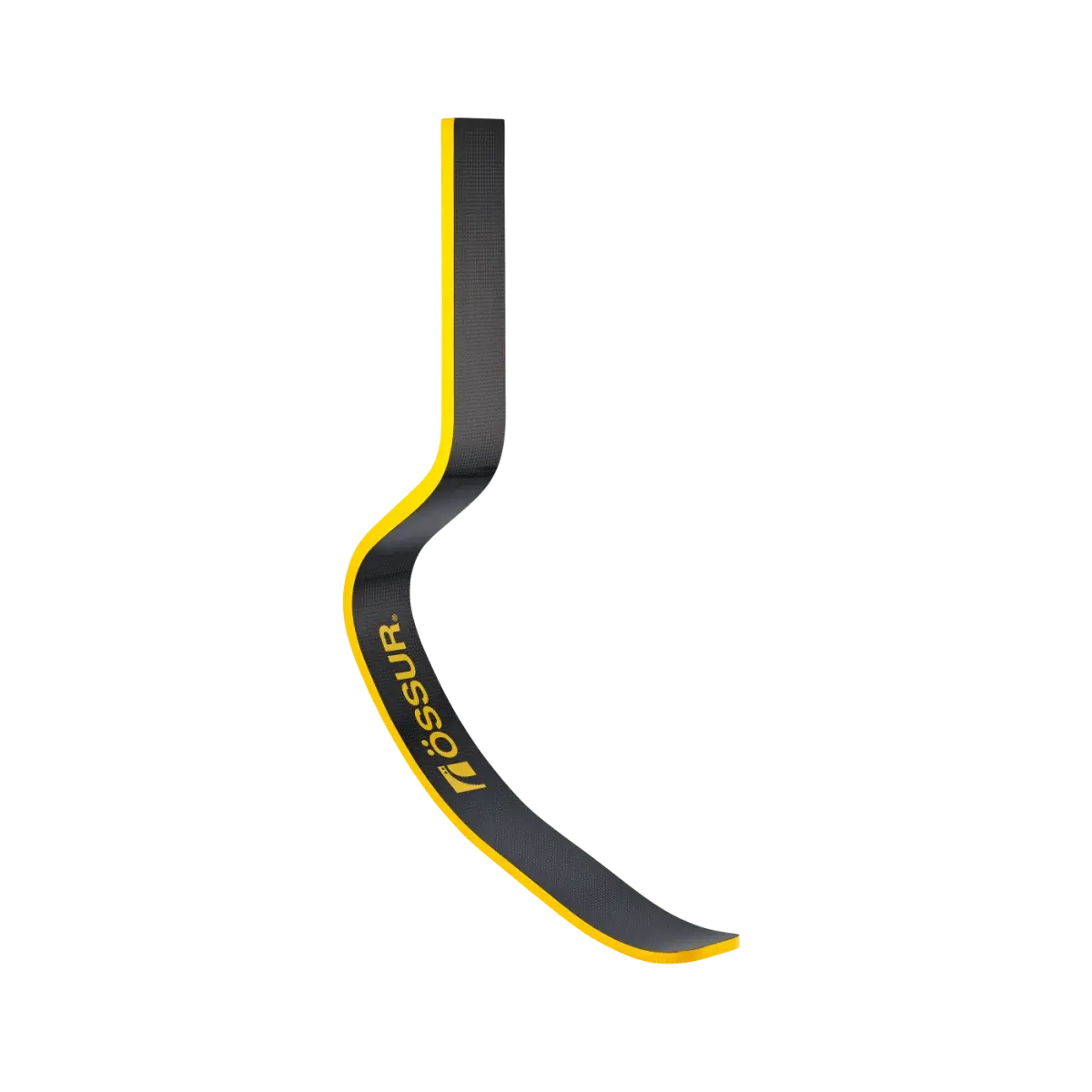
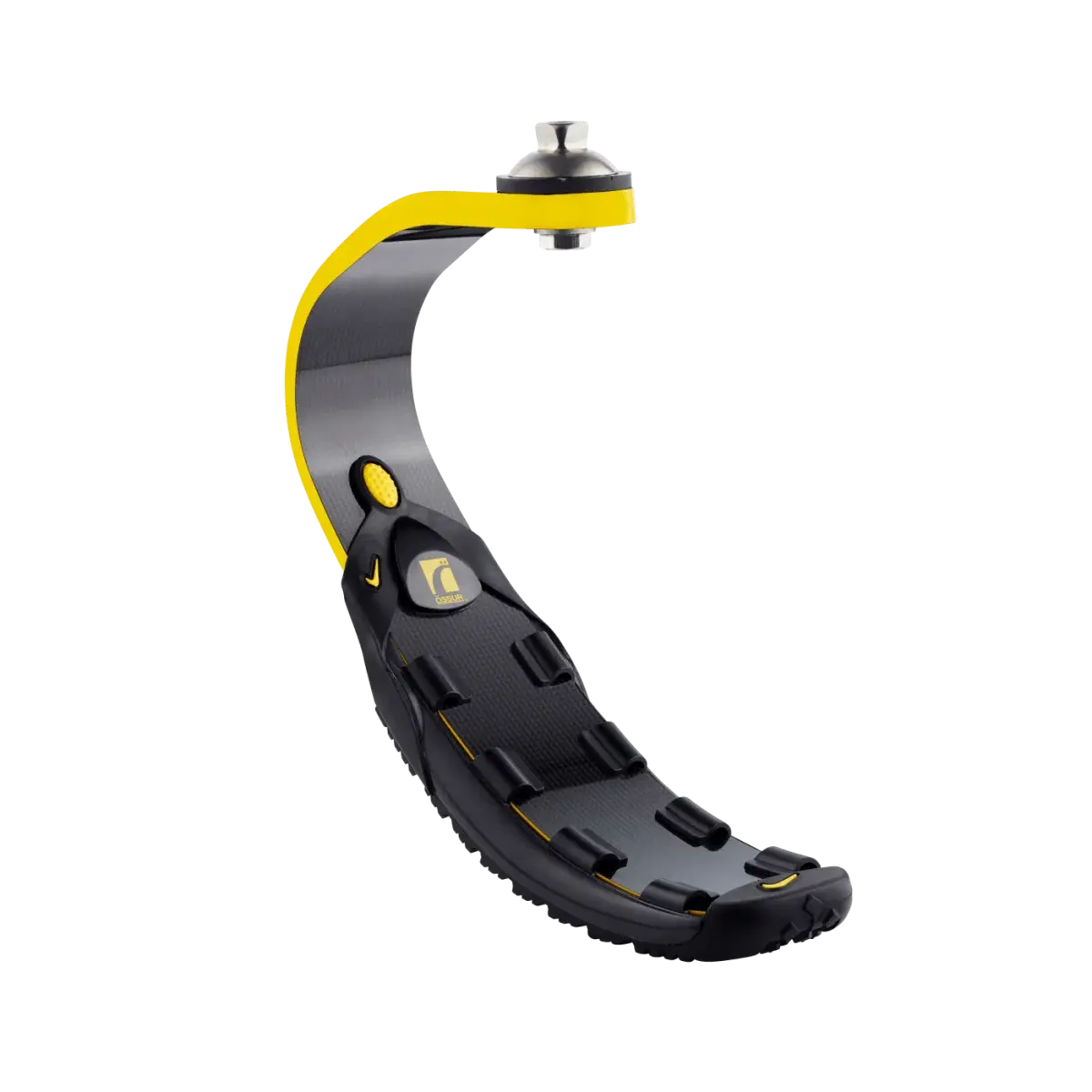
The distinctive J-shaped or C-shaped curve of a running blade is made from layers of carbon fibre composite. When you land, the blade compresses and stores energy. As you push off, that stored energy is released, propelling you forward. This energy return mechanism mimics some of the function that the Achilles tendon and calf muscles provide in an intact leg.
The stiffness, curve geometry, and length of a blade all affect performance. Stiffer blades return more energy but require more strength to compress. Longer blades provide more energy storage but may feel less stable. Your prosthetist works with you to find a blade configuration that matches your body weight, strength, running style, and goals.
Important: Running blades are designed specifically for running and are not intended for everyday walking. Most runners with limb difference use a separate everyday prosthetic for walking and switch to their running blade for training and competition.
Types of Running Blade Prosthetics: From Recreation to Elite Competition
Recreational Running Blades
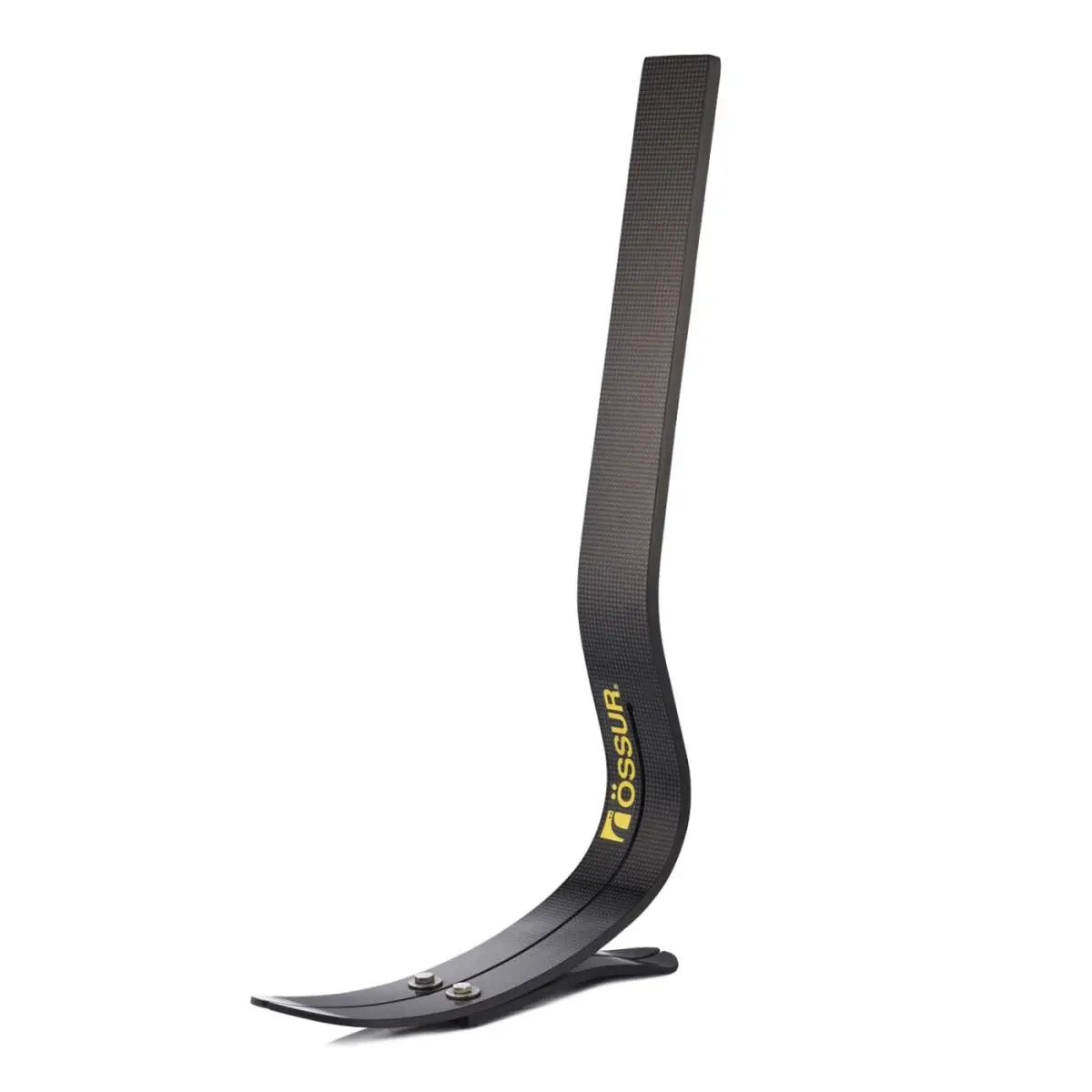
Entry-level running blades are designed for joggers, fitness enthusiasts, and those exploring running for the first time. These blades offer a balance of performance and versatility, often suitable for activities beyond pure running such as gym workouts or dynamic sports.
May be suitable for:
- •Parkrun participants and casual joggers
- •Gym-based fitness activities
- •Those new to running with a prosthetic
- •Active children and teenagers
Considerations:
Less energy return than elite blades, but more forgiving for developing technique. Often a sensible starting point before investing in specialised competition equipment.
Sprinting Blades
Sprinting blades are engineered for explosive speed over short distances. The designs seen at Paralympic track events represent the cutting edge of this technology, with aggressive curves and high stiffness ratings that maximise energy return at sprint speeds.
May be suitable for:
- •Competitive track athletes (100m-400m)
- •Athletes pursuing personal bests
- •Paralympic pathway athletes
Considerations:
Require significant strength and technique to use effectively. Not designed for long distances or varied terrain. Higher cost than recreational options.
Distance Running Blades
For runners focused on 5K, 10K, half marathons, or beyond, distance-specific blades prioritise comfort and efficiency over raw speed. These designs typically feature moderate stiffness that reduces fatigue during sustained efforts.
May be suitable for:
- •Road runners and triathlon participants
- •Marathon and ultra-distance athletes
- •Runners prioritising comfort over speed
Considerations:
May offer less energy return at sprint speeds. Socket fit becomes especially critical for longer efforts where volume changes occur.
The Running Prosthetics Fitting Process
Getting fitted for running prosthetics involves several stages. Working with a prosthetist experienced in sports prosthetics and orthotics can make a significant difference in outcomes.
1. Assessment and Goal Setting
Your prosthetist evaluates your residual limb, current prosthetic setup, strength, range of motion, and athletic goals. Honest discussion about your aspirations whether that is completing your first 5K or competing at a national level helps guide blade selection.
2. Socket Design and Fabrication
Running generates forces two to three times greater than walking. A socket designed for your running blade may differ from your everyday socket, with features like higher trim lines, different suspension systems, or reinforced areas to handle impact forces. Modern 3D scanning technology enables precise socket design.
3. Blade Selection and Alignment
Based on your body weight, amputation level, and running goals, your prosthetist recommends appropriate blade options. Initial alignment is set during fitting, then refined through testing. Small adjustments to blade angle and position can significantly affect comfort and performance.
4. Trial Period and Refinement
Most prosthetists build in a trial and adjustment period. You may start with stationary drills, progress to walking in the blade, then gradually introduce running. Feedback during this phase helps fine-tune socket fit and alignment before finalising the prosthesis.
Training Adaptation: Learning to Run with a Blade
Running with a blade prosthetic requires learning new movement patterns. Even experienced runners need time to adapt. A gradual, patient approach reduces injury risk and builds sustainable technique.
Early Training Phases
- Balance and weight-shift exercises
- Walking drills to feel blade compression
- Gentle bouncing and hopping exercises
- Short running intervals with walking recovery
Building Volume and Speed
- Gradually increase running duration
- Introduce varied terrain as confidence grows
- Add speed work once technique is established
- Consider coaching for technique refinement
Tip: Many para athletes find value in connecting with others who run with prosthetics. Local running groups, online communities, and organisations like Paralympics Australia can provide support, motivation, and practical advice from lived experience.
NDIS Funding for Running Prosthetics in Australia
Running prosthetics may be funded through the NDIS when they support your goals around physical activity, community participation, and health maintenance. The key is demonstrating how a running blade relates to your specific circumstances and objectives.
What strengthens a funding application:
- Clear documentation of your physical activity goals
- Evidence of regular participation in running or desire to participate
- Prosthetist report explaining why a running blade is appropriate
- Connection to broader plan goals (social participation, health, employment)
For comprehensive information about prosthetic funding options, including NDIS, DVA, and other pathways, see our NDIS Prosthetic Funding Guide.
Align Prosthetics supports clients through the funding application process, providing the documentation and clinical justification needed for NDIS submissions. We understand the requirements and can advocate for appropriate equipment based on your individual needs and goals.
Running prosthetics have opened doors that were once closed to athletes with limb difference. From local parkruns to Paralympic podiums, running blades enable participation across the full spectrum of athletic pursuit. While individual results vary and the journey requires commitment, the possibility of running is real for many people.
The right running prosthetic, properly fitted and aligned, combined with appropriate training and support, may help you achieve athletic goals that matter to you. Whether that means keeping up with your children, completing your first organised run, or pursuing competitive excellence, understanding your options is the first step.
About the author
Maegan Morrison
Maegan is an AOPA Certified prosthetist and orthotist on the Sunshine Coast. She runs Align Prosthetics and sees every client herself, at home or at the Birtinya clinic.
About MaeganTalk to Maegan about running
Tell Maegan your goals, from parkrun to competition. She will explain the options, the funding and what the first steps look like.
Open 7 days, 9am to 7pm. Home visits across the Sunshine Coast or our Birtinya clinic.
Disclaimer: Individual results vary. This information is educational and does not replace professional medical advice. Running prosthetic suitability depends on many factors including amputation level, residual limb condition, overall health, and individual goals. Consult with a qualified prosthetist to discuss your specific needs and whether running prosthetics may be appropriate for you.
Frequently Asked Questions About Running Prosthetics
How much do running prosthetics cost in Australia?▼
Running blades typically range from $8,000 to $30,000 or more depending on the brand, design, and level of customisation. Entry-level recreational blades start around $8,000-$12,000, while elite competition blades can exceed $25,000. Socket fabrication, fitting appointments, and training are additional costs. NDIS funding may cover running prosthetics with appropriate justification for athletic and recreational goals.
Can I run with a regular prosthetic leg?▼
While some everyday prosthetic feet have limited running capability, they are not designed for running and may increase injury risk. Running blades are specifically engineered for the forces and mechanics of running, with carbon fibre construction that stores and returns energy. For anything beyond a light jog, a dedicated running prosthetic is recommended.
How long does it take to learn to run with a blade prosthetic?▼
Learning to run with a blade prosthetic varies significantly between individuals. Most people require 3-6 months of regular practice to develop comfortable running mechanics. Athletes with prior running experience may adapt faster. Working with a prosthetist experienced in sports prosthetics and potentially a running coach familiar with para athletes can accelerate the learning process.
Does NDIS cover running prosthetics in Australia?▼
NDIS may fund running prosthetics if they support your functional goals around physical activity, sport participation, and community involvement. Documentation from your prosthetist explaining how a running blade supports your specific goals strengthens applications. Coverage depends on your individual plan and how the prosthetic relates to your stated objectives.
What is the difference between sprinting blades and distance running blades?▼
Sprinting blades are stiffer with aggressive curves designed for explosive power and maximum energy return over short distances. Distance running blades offer more compliance and comfort for sustained running, with designs that reduce fatigue over longer efforts. Some athletes use different blades for different events, while versatile designs can work for both recreational running and moderate distances.
Can children use running blades?▼
Yes, running blades are available for children and young athletes. Paediatric running prosthetics allow children with limb difference to participate in school sports, athletics carnivals, and recreational running. Because children grow quickly, they may need blade replacements more frequently than adults. NDIS and other funding programs often support paediatric sports prosthetics to enable participation in physical activities.
Do I need a different socket for my running blade?▼
Often yes. Running generates different forces than walking, and a socket optimised for everyday use may not provide the stability, suspension, and comfort needed for running. Many athletes have a dedicated socket for their running blade, designed to handle the impact forces and volume changes that occur during exercise. Your prosthetist can assess whether your existing socket is suitable or if a sports-specific socket would benefit you.
Related Resources
NDIS Prosthetic Funding Guide
Understanding funding options for prosthetics including NDIS, DVA, and other pathways.
Prosthetic Foot Types
Compare everyday foot features and the questions to ask before choosing a component.
Showering and Swimming with a Prosthetic Leg
Check the exact water-use limits of your fitted leg before a pool or beach activity.