Transtibial prosthetics
Below-knee prosthetics
A below-knee (transtibial) prosthesis comes down to three things: a socket that fits your limb, a liner and suspension that keep it secure, and a foot that suits how you move. Maegan builds each one around you.
Maegan calls you back personally, usually within one business day.
- AOPA Certified
- One clinician, start to finish
- Home visits or Birtinya clinic
- NDIS, DVA & WorkCover
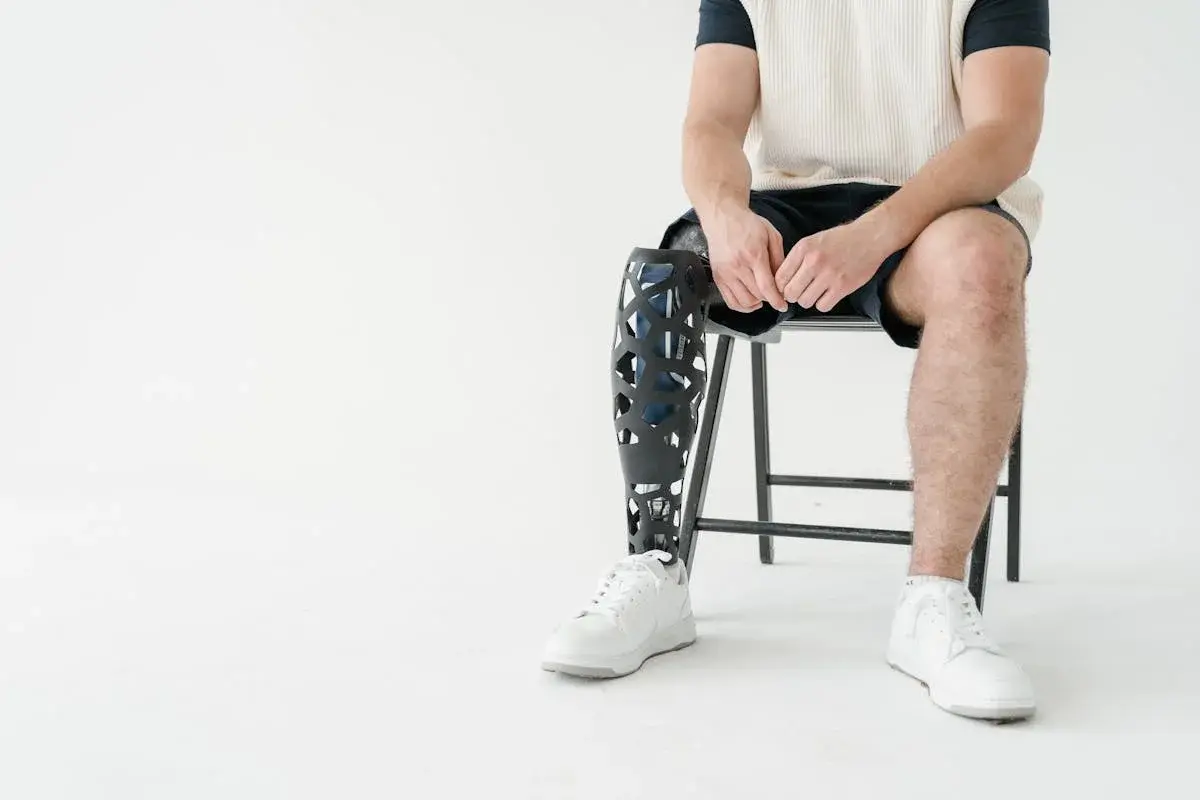
This can help if you have
- A recent below-knee amputation and need your first prosthesis
- A socket that feels loose, tight or causes skin problems
- Volume changes that mean adding or removing socks through the day
- A worn or outgrown prosthesis that needs replacing
- A foot that no longer suits your walking, work or sport
Socket and liner
Most below-knee sockets are worn with a silicone or gel liner that cushions your skin. The right socket design and liner depend on your limb shape, your skin and how much your volume changes.
Suspension
Suspension is what holds the prosthesis on. Common options include:
- Pin lock liners, which click into the socket
- Suction, using a seal-in liner or an external sleeve
- Elevated vacuum, which can suit some active users whose volume changes
Feet
Options range from stable everyday feet to energy-storing carbon feet for active walkers, and hydraulic ankles that adapt to slopes. Funders decide what is reasonable for your activity level, so we explain which options suit you and what is likely to be covered.
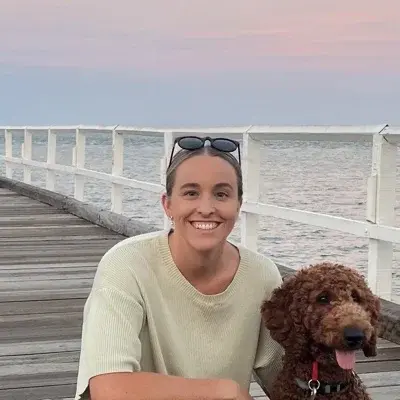
Meet Maegan Morrison
Maegan is an AOPA Certified prosthetist and orthotist based on the Sunshine Coast. She sees every client herself, from the first call to the last review, at home or at the Birtinya clinic.
About Maegan and AlignFrequently asked questions
How soon after amputation can I get my first prosthesis?+
How often does a socket need replacing?+
What is a check socket?+
Helpful next reads
Talk to Maegan
Not sure what you need? Call and tell Maegan what is going on. If she is with a client, leave a message and she will call you back.
Open 7 days, 9am to 7pm. Clinic in Birtinya and home visits across the Sunshine Coast.