Orthotics
Shoes for AFO Braces: How to Choose and Fit Drew, Dr. Comfort and BILLY

By Maegan Morrison, AOPA Certified prosthetist and orthotistUpdated
A shoe for an AFO needs to fit your foot and your brace together. Extra length alone may leave the heel loose while the brace still feels crowded. Align can provide Drew, Dr. Comfort and BILLY Footwear. The right model and size depend on your AFO, your feet and a fitting check.
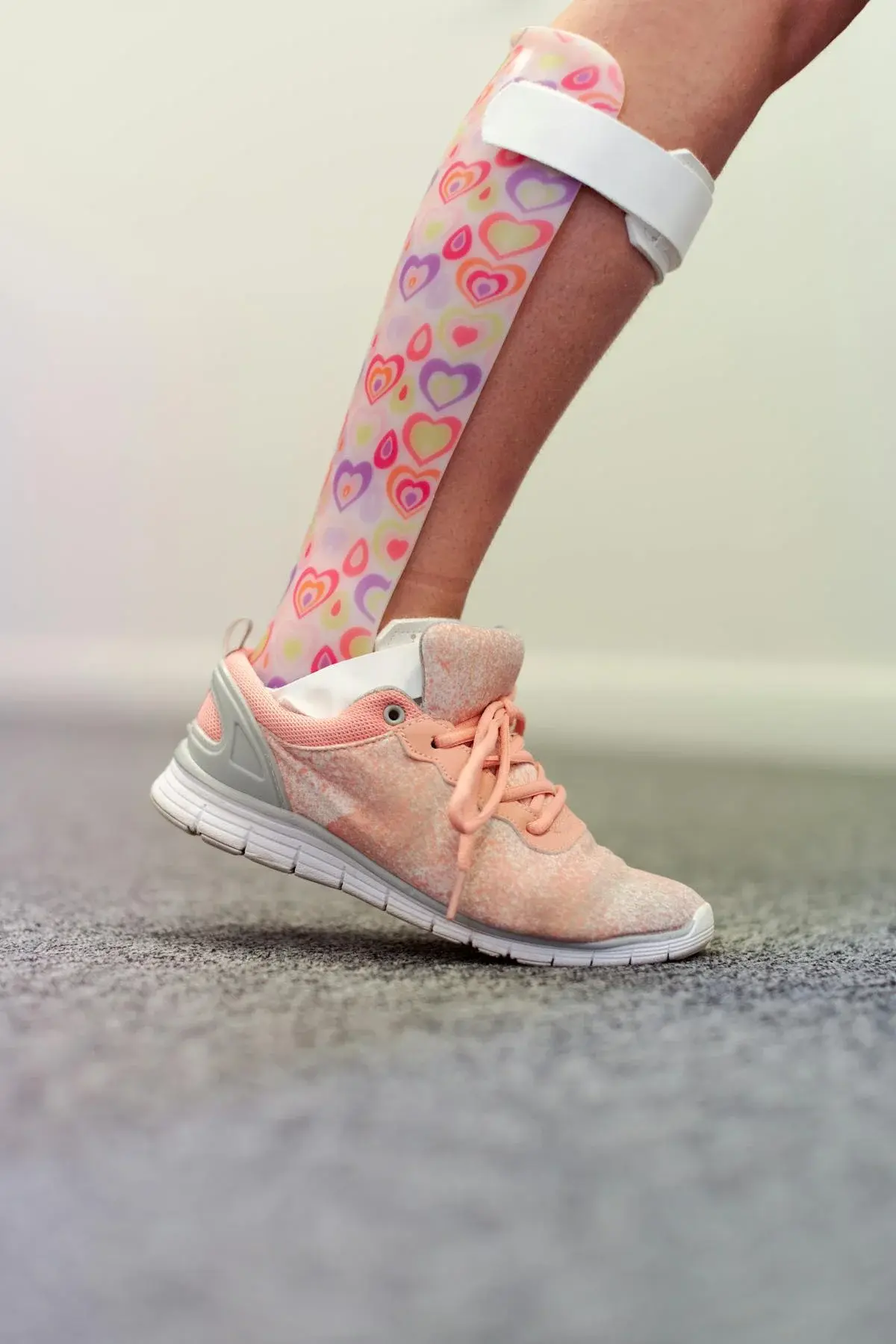
Start with the Brace and Shoe Together
An ankle-foot orthosis, or AFO, takes up space around the foot and lower leg. The shoe must accommodate that shape without pushing your foot out of position or compressing the brace against your skin.
There are two separate questions: can you get the foot and brace into the shoe, and does the combination fit and work once fastened? A very large opening helps with access, but it does not settle the second question.
Bring the actual AFO to a fitting. Measurements of the bare foot cannot show every feature of the brace, such as a thick footplate, an ankle joint or a high instep profile. Bring the socks you normally wear with it too.
The brace and shoe are part of the same walking setup. Ask your orthotist about suitable heel height and sole shape. If you change to a very different shoe, a new check may be needed even when the AFO fits inside.
Five Features to Check
| Feature | Question to ask |
|---|---|
| Depth | Is there enough vertical space for the foot and footplate, including across the instep? |
| Width | Can the brace sit without being squeezed at the sides? |
| Opening | Can the shoe open far enough to position the foot and brace properly? |
| Fastening | Can laces, straps or zips close securely without excessive pressure? |
| Heel fit | Does the heel remain seated, rather than lifting or sliding when you move? |
Removable insoles or spacers can create space in some shoes. Ask which layers should remain in your fitted combination. Do not remove prescribed inserts or alter the AFO to make a shoe fit.
Check the toe area as well as the heel. Ask the fitter to assess length with the brace in place. More depth and width should not come at the cost of a loose shoe that is difficult to control.
Drew: Depth and Fitting Options
Drew offers selected shoes with removable insoles and spacers as part of its Plus Fitting System. Those features can help a fitter adjust the available space. The manufacturer also describes deep toe boxes and firm heel counters in its range.
That makes depth and width useful questions when looking at Drew. It does not mean every Drew style will accommodate every AFO. The available widths, opening and shape differ between models.
- Does this model have removable fitting layers?
- Is the depth useful at the part of the shoe where my AFO needs it?
- Can I fasten it securely once the brace is inside?
Align can discuss suitable Drew options and confirm the model, size and ordering details. Manufacturer range information is not a statement that a particular pair is currently in stock.
Dr. Comfort: Extra-Depth and Double-Depth Ranges
Dr. Comfort has selected extra-depth and double-depth ranges intended to accommodate additional volume. Some models are described by the manufacturer as suitable for internal braces and AFOs. Their closures and widths vary.
The depth label is a starting point. Check the instep, toe box and heel with the AFO in place. A double-depth shoe that suits one person’s foot shape may be unsuitable for another brace or foot.
- Which depth and width options are available in this style?
- Does the opening allow my foot to reach its intended position in the AFO?
- Are the closures easy for me or my carer to use?
Align can provide Dr. Comfort footwear. Ask which options can be supplied for your fitting rather than choosing from an overseas product page by shoe size alone.
BILLY Footwear: Access Through a Wide Opening
BILLY Footwear has an AFO-friendly collection with selected wider and deeper styles. Its zip-opening approach can make it easier to access the inside of the shoe while positioning a foot and brace.
Check the specific style’s width, depth and fastening. The ease of opening a shoe is separate from whether its closed shape accommodates the AFO. The zip must be able to close without forcing it against the brace or foot.
- Is this style in the manufacturer’s AFO-friendly range?
- Can I position the brace before closing the zip?
- Does the closed shoe give enough room and hold the heel securely?
Align can provide BILLY Footwear. The appropriate style, size and supply arrangements are confirmed for your brace; the brand name is not a compatibility guarantee.
Why a Bigger Size May Not Solve the Problem
Going up in length can add toe space without adding enough room around the instep or ankle. It can also leave the heel or the foot without the intended secure fit. The useful change may be a different width, depth or opening instead.
For example, a shoe may close over the toes but press across the top of the brace. Compare where the space is needed rather than choosing the longest pair you can get on. This is a fitting question, not a rule that you must never change size.
Both feet need checking. If you wear one AFO, the shoe on the other foot still needs to fit properly. Discuss differences between the feet and ask what sizing or supply options are available.
Before keeping the shoes, check sitting, standing and walking as appropriate. Report pressure, rubbing, heel lift or a new change in balance. If you have reduced sensation, a skin check matters even when the shoe does not feel painful.
Your Fitting and Ordering Checklist
- Bring your AFO, usual socks, current shoes and any prescribed inserts.
- Bring both braces if you use two, and any walking aids.
- Explain whether the shoes are for school, work, everyday use or another task.
- Try opening and fastening them yourself, or with the person who helps you.
- Ask the fitter to check foot position, heel hold and the way you walk.
- Confirm the model, width, size, price, order time and return terms before purchase.
A comfortable fitting should not require cutting the brace, forcing a zip or ignoring pressure. Ask for another option or an orthotic review if the combination is not right. Pain, blisters or skin marks that do not settle need advice from your orthotist.
For the brace itself, see our AFO types guide. To arrange an AFO and footwear assessment on the Sunshine Coast, see Align’s AFO service and what to bring to a first appointment.
Frequently Asked Questions
Which shoes work best with an AFO?
The right shoe has enough depth and width, a useful opening and secure fastening, and holds the heel in position with the brace fitted. There is no single best brand or model for every AFO.
Can Align provide Drew, Dr. Comfort and BILLY Footwear?
Yes. Align can provide these three brands. Suitable models, sizes and current supply arrangements are confirmed with your brace and footwear needs.
Should I buy a larger shoe size for my AFO?
Sometimes a different size is needed, but extra length alone may not solve a lack of depth or width. Have the foot and brace checked in the shoe before deciding on the size.
Related Guides and Services
Sources
Clinical guidance and manufacturer information checked on 10 October 2026. Your own fitting plan and the instructions for your device take priority.
About the author
Maegan Morrison
Maegan is an AOPA Certified prosthetist and orthotist on the Sunshine Coast. She runs Align Prosthetics and sees every client herself, at home or at the Birtinya clinic.
About MaeganFind Footwear That Fits Your AFO
Talk with Maegan about Drew, Dr. Comfort or BILLY Footwear. Bring your brace and usual socks so the shoe and AFO can be checked together.
Open 7 days, 9am to 7pm. Home visits across the Sunshine Coast or our Birtinya clinic.