Orthotics
What Is a KAFO? Knee-Ankle-Foot Braces, Fitting and AFO Differences

By Maegan Morrison, AOPA Certified prosthetist and orthotistUpdated
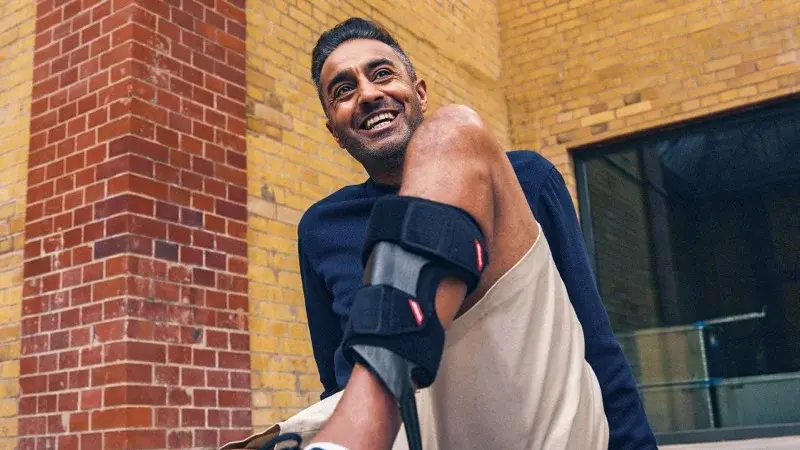
KAFO stands for knee-ankle-foot orthosis. It is a brace that extends from the thigh to the foot to support or control the knee as well as the ankle and foot. An orthotist considers it when ankle and foot support alone may not address the whole leg’s needs.
How a KAFO Differs from an AFO
An AFO is an ankle-foot orthosis. It usually extends from below the knee to the foot. A KAFO adds a thigh section and knee control. Both are worn on the limb; neither replaces a missing limb as a prosthesis does.
The distinction is about the support needed, rather than simply the size of the brace. An AFO can influence how the knee moves through its control of the ankle, but it does not have a knee joint or thigh section. Some people need direct knee support as well.
| Brace | Main difference |
|---|---|
| AFO | Supports the ankle and foot, with the effect on the knee assessed during walking. |
| KAFO | Extends up the thigh and includes direct knee support or control as well as ankle and foot support. |
If your knee gives way or moves into an unwanted position, explain when this happens. The orthotist looks at the whole leg and how you move before deciding what support may be appropriate. You cannot choose between an AFO and KAFO from the diagnosis alone.
What the Brace Is Designed to Do
A KAFO can be designed to support weakness, manage alignment or control movement around the knee and ankle. It has sections fitted to the leg and foot, straps, and knee joints with a function chosen for your needs.
The reason for the brace should be specific. It might be to support the knee when you bear weight, to manage a position that makes standing difficult, or to help with a particular walking task. Its purpose and expected limits should be explained before fitting.
A brace does not restore muscle strength or remove the underlying condition. The way it affects walking, comfort and effort varies. Rehabilitation, walking aids or other care may still be needed alongside it.
Useful goals include standing for a particular household task, getting between rooms or managing the surfaces around your home. Tell the orthotist about those goals and what support you already use.
Locked and Stance-Control Knee Designs
Different knee joints behave differently. A locked knee design holds the knee straight during walking. You are taught how to operate its mechanism, including how to sit and stand safely. The locking system needs to be checked as instructed.
A stance-control design is intended to support the knee while you bear weight and allow it to bend during the swing part of a step. How it locks and releases depends on the mechanism. It must match your strength, joint movement and walking pattern.
Some systems use mechanical control and others use electronic sensors. More complex systems have their own assessment, training and maintenance requirements. A feature such as controlled knee bending is not available in every KAFO.
The manufacturer’s selection guidance shows that knee and ankle movement, muscle strength, alignment and body weight can affect suitability. These are assessed by the orthotist; they are not a shopping checklist for self-prescription.
What an Assessment and Fitting May Include
The orthotist asks about your health, movement, falls or near-falls, skin, sensation and current equipment. They examine how the knee and ankle move, consider muscle control, and observe standing or walking when safe.
If a custom brace is proposed, measurements and a cast or scan help capture the shape. Trial fitting checks contact with the leg, the position of the knee joints and how the foot section works inside your shoe. The brace, your limb and your footwear need to work together.
- Can you put the brace on and secure the straps, or do you need help?
- Can you operate the knee mechanism as taught?
- How does it work when you sit, stand and take a step?
- Are the foot and heel seated in the intended position?
- Does the brace create pressure, rubbing or unwanted movement?
Tell the team about problems during the fitting. You may need adjustment and further practice before everyday use. Agree a wear plan and follow-up rather than assuming you should wear a new brace all day.
Footwear, Clothing and Daily Care
Bring the shoes you expect to use. The foot section takes up space, so footwear needs suitable width and depth, a useful opening and secure fastening. Your orthotist also checks the shoe’s heel height and how it affects the brace setup.
Our AFO footwear guide explains fitting features and the Drew, Dr. Comfort and BILLY ranges Align can provide. A shoe that accommodates one brace may not accommodate another; a KAFO needs its own fitting check.
Check the brace and your skin as instructed. Report a loose part, sharp edge, crack or unexpected movement. If a knee lock does not behave as taught, stop using the brace and contact the orthotist rather than relying on it to hold your weight.
Report pain, broken skin or marks that do not settle after the brace is removed. Do not heat, bend, glue or add padding to the brace yourself. Follow its cleaning and drying instructions, and keep its planned maintenance and review appointments.
What to Bring and Ask Before Agreeing to a KAFO
- Your current brace, walking aids, everyday shoes and usual socks.
- Shorts or loose clothing that allows the thigh, knee and ankle to be assessed.
- Relevant medical reports, referrals and funding details.
- Examples of tasks you want to improve and when the knee needs support.
Ask why a KAFO is being considered rather than an AFO, which movement it will control, and what its limits are. Ask whether you can trial the proposed function and how training will be arranged.
For the quote, ask whether it includes fitting, adjustments, knee components, maintenance and follow-up. If you use funding, establish what evidence and approval are needed. NDIS funding depends on the assessed support and scheme criteria; a KAFO is not automatically covered for everyone.
Align’s AFO and KAFO service page describes its local service. The funding page explains the starting points for discussing payment and approval.
Frequently Asked Questions
What does KAFO stand for?
KAFO stands for knee-ankle-foot orthosis. It is a brace that supports or controls the knee, ankle and foot, extending from the thigh to the foot.
Is a KAFO better than an AFO?
They address different support needs. A KAFO adds direct knee support. An orthotist assesses whether that is needed or whether an AFO can meet your goals with less extensive bracing.
Can everyone use a stance-control KAFO?
No. Suitability depends on the particular mechanism and an assessment of strength, movement, alignment and walking needs. Training and maintenance requirements also need to be considered.
Related Guides and Services
Sources
Clinical guidance and manufacturer information checked on 10 October 2026. Your own fitting plan and the instructions for your device take priority.
About the author
Maegan Morrison
Maegan is an AOPA Certified prosthetist and orthotist on the Sunshine Coast. She runs Align Prosthetics and sees every client herself, at home or at the Birtinya clinic.
About MaeganDiscuss the Knee Support You Need
Speak with Maegan about your knee, ankle and walking goals. An assessment can help establish which brace design to consider.
Open 7 days, 9am to 7pm. Home visits across the Sunshine Coast or our Birtinya clinic.