Prosthetics
Prosthetic Socks: Fit, Care and When to Ask for a Review

By Maegan Morrison, AOPA Certified prosthetist and orthotistUpdated
Prosthetic socks can help manage the space between your residual limb and socket in a fitted prosthetic system. They come in different shapes, materials and thicknesses. Use the arrangement your prosthetist has taught you, and ask for a review when fit changes are no longer manageable within that plan.
What a Prosthetic Sock Does
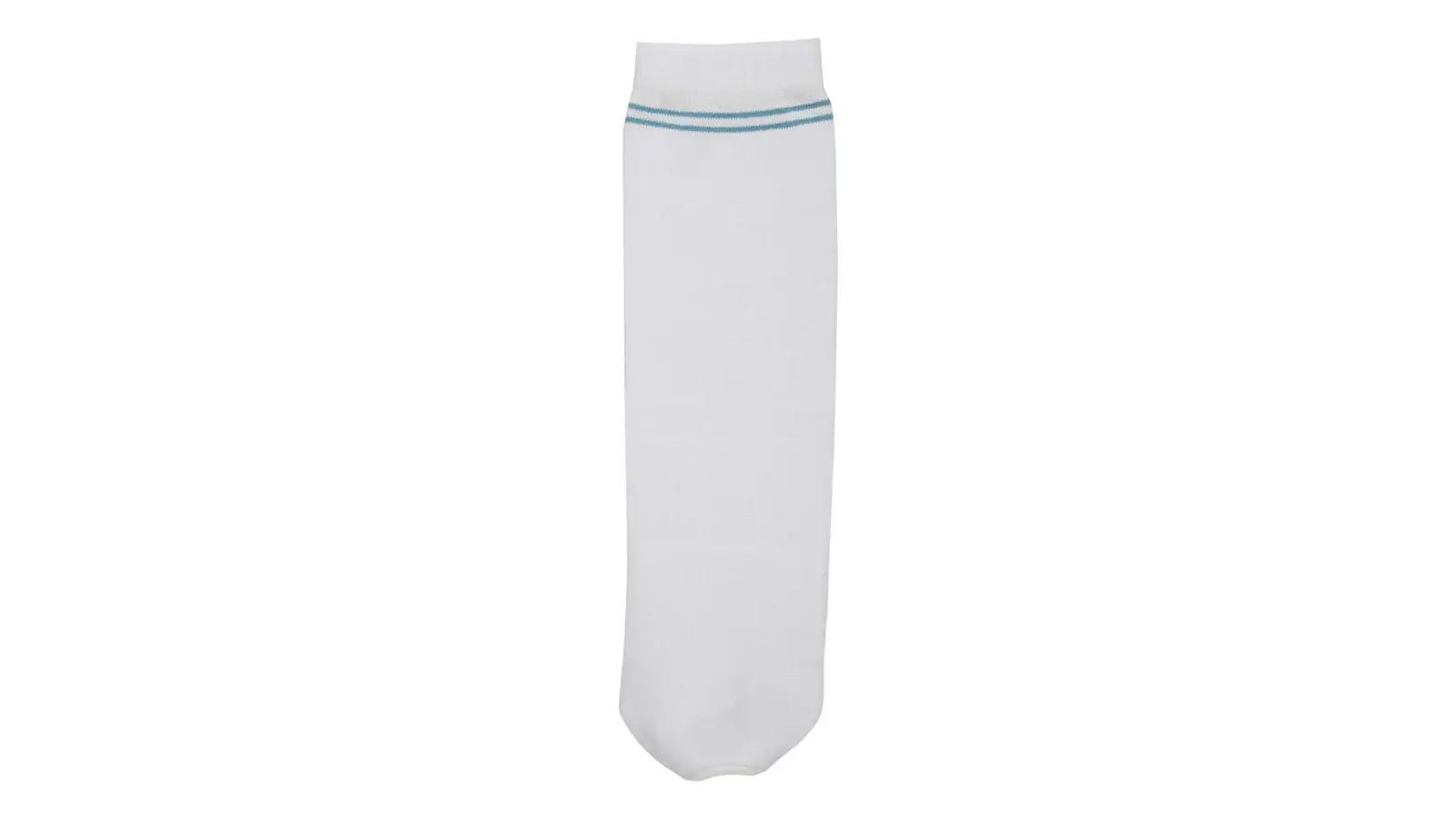
A prosthetic sock is shaped for a residual limb. Depending on the fitted system, it may help manage changes in limb volume and provide a fabric interface within the socket. Some absorb moisture or help reduce friction.
The sock needs to match the socket and suspension. Its size, shape, thickness and any opening for a locking pin matter. A regular clothing sock is not automatically a suitable substitute.
Your prosthetist should show you where the sock belongs in your arrangement. It may be worn over a liner or against the limb in some systems. Socks must not interfere with a sealing surface, lock or other part that keeps the prosthesis attached.
If you are new to a prosthesis, ask for a demonstration and then practise the routine with the team. Being able to identify the correct sock is more useful than memorising a general instruction from another person’s fitting.
Socks, Liners and Shrinkers Are Different
| Item | Purpose |
|---|---|
| Prosthetic sock | A fabric layer used in the prescribed socket arrangement, including for volume management. |
| Prosthetic liner | An interface worn on the limb that may cushion it and form part of the suspension system. |
| Shrinker or compression garment | A prescribed garment used to manage limb swelling or shape, usually when the prosthesis is off. |
A gel or silicone liner is not simply a thick sock. Its material, fit and attachment features are selected for the prosthetic system. A compression garment also has a different purpose and should be used as prescribed.
Keep these items identifiable, particularly if a carer helps with dressing. Ask the team to label or write down the arrangement if it is hard to remember. Do not substitute one item for another because it appears similar.
For liner materials and suspension, read the prosthetic liner guide. This article focuses on the fabric socks and the questions they raise about fit.
What Ply Means
Ply describes sock thickness. A higher ply generally indicates a thicker sock, rather than the number of socks you are wearing. Labels help identify the supplied product, but materials and designs vary.
Some socks have different thicknesses in different areas. Others have a hole for a pin or are shaped for a particular limb length. Those features are part of the fitting choice, so a matching colour or a similar-looking sock may not be equivalent.
Ask which products belong in your routine and how to recognise them. Do not treat a ply label as a prescription for how many layers you should wear. The appropriate arrangement depends on your socket, limb and suspension.
- What size, shape and thickness of sock have I been supplied?
- Does my system require a pin opening or another specific feature?
- Where does the sock sit relative to my liner and suspension?
- Which changes have I been taught to make, and when should I call instead?
Changing Fit During the Day
A residual limb can change in size and shape during recovery and throughout the day. In some fitted systems, the prosthetist teaches sock adjustments to help manage those changes. Follow that individual plan rather than adding layers until a painful socket feels different.
If the socket feels loose, note when it happens and what you were doing. If it feels too tight or you cannot seat the limb correctly, do not force it. Contact the team if the taught arrangement no longer works.
An increasing need for socks may be a sign that the socket needs review. It is not a fixed rule that a particular ply total means replacement. The prosthetist checks the whole fit, including the liner and suspension.
A short record can help: the sock you used, the time you put the leg on, what felt different and any skin changes. Bring that information with the actual socks to the review.
Care and Checking for Wear
Use clean socks and follow the washing instructions for the product. Allow them to dry fully before use. Different materials may have different washing and drying requirements; use the label or ask the supplier if the instructions are missing.
Look for holes, damage, loss of shape or fabric that bunches into folds. A wrinkle inside a close-fitting socket can cause rubbing. Do not patch a worn sock or sew a thick repair into an area that contacts your limb.
Tell the prosthetist if you cannot keep the socks smooth, if they slide out of position, or if you have difficulty handling them. It may be a product, fit or dressing issue that can be assessed.
Check your skin as you were taught. Remove the prosthesis and seek advice for pain, blisters or broken skin. A clean sock does not make it safe to continue wearing a socket that is damaging the skin.
For hot days or high activity, discuss moisture management with the team. Ask what spare supplies you should carry and which skin products are compatible with your liner; do not assume a deodorant or powder is suitable.
What to Bring to a Sock or Socket Review
- Your prosthesis and the liner or sleeve used with it.
- The socks you actually use, including the labels or packaging if available.
- A note of how the arrangement changes across a typical day.
- Your usual shoes and walking aids for a leg prosthesis.
- Details of rubbing, skin marks, new swelling or changes in body weight.
Ask whether the sock product and arrangement are still appropriate, whether any part is worn and whether the socket needs adjustment. If replacements are needed, confirm the correct specification rather than ordering by appearance alone.
Ask how consumables are supplied and paid for under your funding arrangement. Quantity and replacement needs should reflect your use and condition of the items. There is no universal annual allowance that can be assumed across schemes.
Our socket fit review guide explains the wider assessment. Align’s prosthetic review service can discuss fit and consumables, and the funding guide explains the payment questions to ask.
Frequently Asked Questions
Do all prosthetic users need socks?
No. Sock use depends on the socket, liner and suspension system. Use the products and arrangement prescribed for your fitted prosthesis.
What does sock ply mean?
Ply describes thickness, rather than the number of socks. Different materials and designs can behave differently, so confirm which products and combinations your prosthetist has supplied.
How many sock layers should I wear?
There is no universal number. Follow the adjustments you have been taught for your system. If those adjustments no longer give a secure, comfortable fit, contact your prosthetist for a review.
Related Guides and Services
Sources
Clinical guidance and manufacturer information checked on 10 October 2026. Your own fitting plan and the instructions for your device take priority.
About the author
Maegan Morrison
Maegan is an AOPA Certified prosthetist and orthotist on the Sunshine Coast. She runs Align Prosthetics and sees every client herself, at home or at the Birtinya clinic.
About MaeganReview Your Sock and Socket Fit
Talk with Maegan if your usual sock arrangement no longer works. Bring your socks, liner and prosthesis so the whole fit can be checked.
Open 7 days, 9am to 7pm. Home visits across the Sunshine Coast or our Birtinya clinic.